
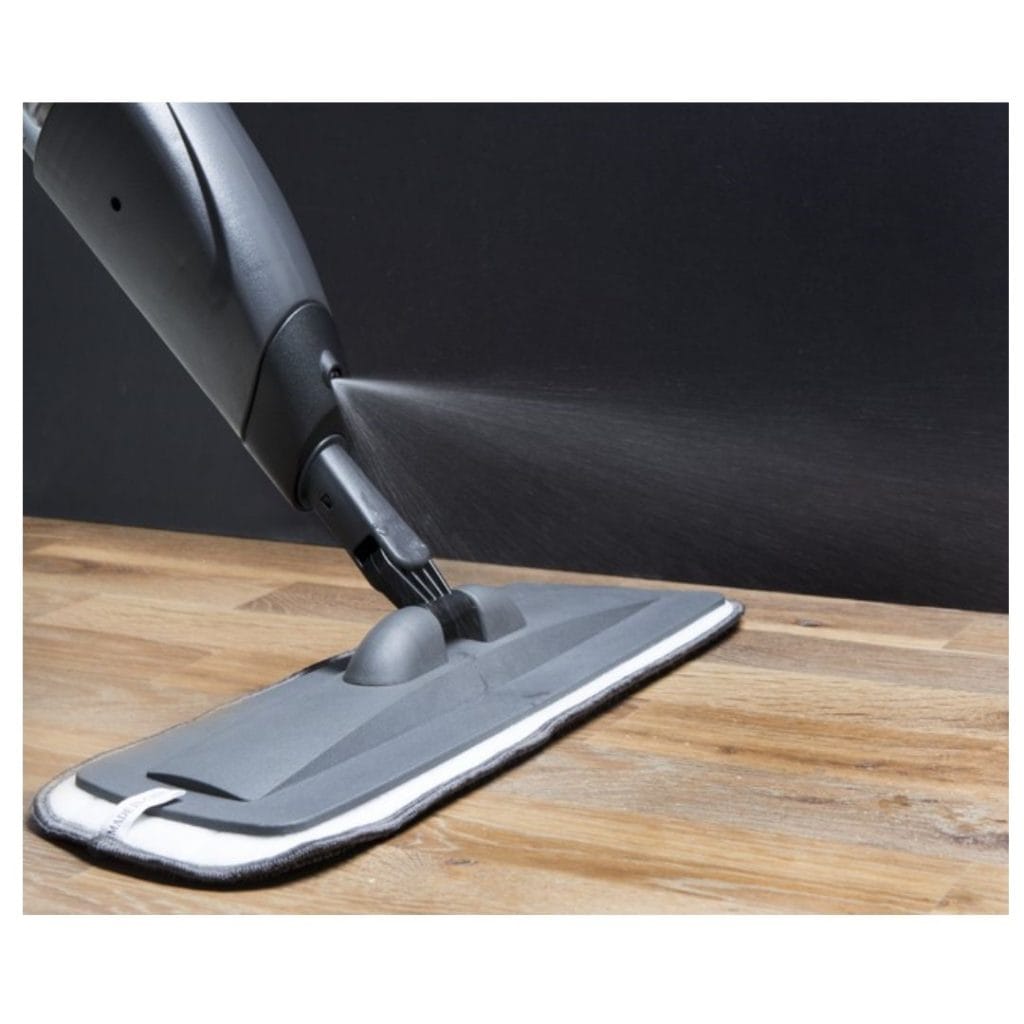
How to Clean Hardwood Floors Properly
Cleaning hardwood floors correctly is key to protecting their finish and extending their lifespan. With the right techniques and timber-safe products, maintaining hardwood floors becomes simple and highly effective.
Follow these guidelines to achieve clean, streak free floors without residue or damage.

Cleaning Hardwood Floors – The Correct Method
The key to properly cleaning hardwood floors is to remove debris first, control moisture, and use products specifically designed for timber surfaces.
Hardwood flooring is durable, but grit, harsh chemicals and excessive water can damage the surface finish over time.
Step 1 – Dust and Vacuum First
When cleaning hardwood floors, always start by removing loose dirt.
Use:
- A soft broom
- A microfibre dust mop
- A vacuum with a timber-safe attachment (no beater bar)
This step is especially important when cleaning hardwood floors, as fine grit can scratch the surface and dust is more visible on darker finishes.
Frequent light cleaning prevents long-term wear.
Step 2 – Damp Mop (Never Wet Mop)
The safest way to clean hardwood floors is with a damp mop and a pH-neutral hardwood floor cleaner.
Important guidelines:
- Mop should be damp, not dripping
- Never flood the surface
- Clean in the direction of the grain
- Allow floors to air dry
Even engineered hardwood floors, which are more stable than solid timber, should not be exposed to excess moisture.
How to Prevent Streaking When You Clean Hardwood Floors
Streaks are more noticeable on dark timber but can also appear on lighter timbers.
They are usually caused by:
- Too much cleaning product
- Dirty mop water
- Soap-based cleaners
- Residue build-up
To prevent streaking when cleaning hardwood floors:
- Use only timber-approved cleaners
- Follow dilution instructions carefully
- Change mop water regularly
- Use a clean microfibre mop head
- Buff lightly with a dry cloth if needed
Avoid oil soaps and general household detergents, as these leave residue that dulls darker floors.
How to Remove Stains from Hardwood Floors
When cleaning hardwood floors and encounter stains, act quickly!
Surface Spills
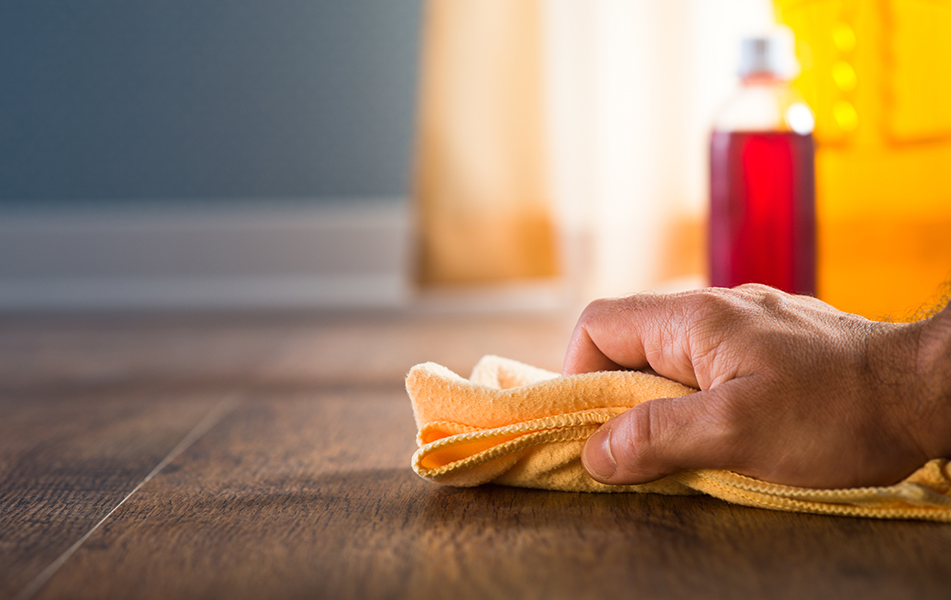
Wipe immediately with a slightly damp cloth and approved cleaner.
Sticky Marks
Use a hardwood-safe spray cleaner and gently wipe with the grain.
Water Marks
Light marks may buff out with a dry cloth. Deeper marks may require professional attention.
Grease or Oily Residue
Use a recommended hardwood cleaner — never abrasive pads.
If staining penetrates through the finish, sanding and refinishing may be required.
Never use:
- Steel wool
- Bleach
- Ammonia
- Steam mops
These can permanently damage hardwood flooring.
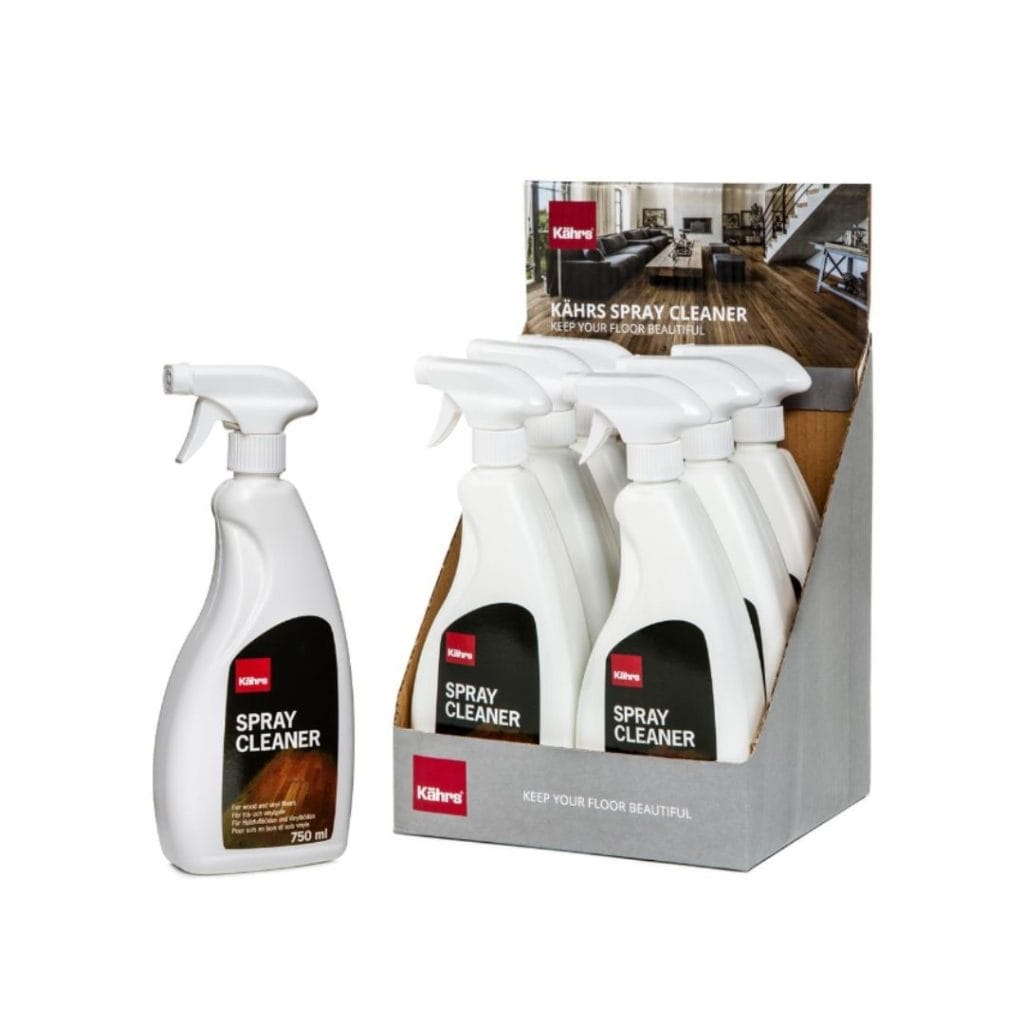
Specialist Products for Cleaning Hardwood Floors
Using the right product makes a significant difference when cleaning hardwood floors.
We recommend timber-safe cleaning systems designed specifically for engineered and hardwood finishes.
View our timber floor cleaning and maintenance products:
These products are formulated to:
- Clean effectively without residue
- Protect the surface finish
- Maintain natural sheen
- Reduce streaking on dark floors
Avoid vinegar solutions, wax build-up products and steam mops, as they can compromise the finish.
Preventative Measures to Maintain Hardwood Floors
While hardwood floors are resilient and should last for many years, they still require care to ensure that their appearance and function isn’t ruined by accidental damage or unnecessary wear and tear.
Keep these general rules in mind to keep your floor free from scrapes and scratches:
- Place floor protectors under all furniture, to act as a buffer between the furniture and floor
- Make use of entrance mats to trap dirt, mud and other damaging elements
- Take off your shoes and avoid wearing high heels on hardwood floors
- Place rugs in high traffic areas where wear and tear is more likely, such as a child’s play area
- Never drag furniture or items across the floor – either lift and carry or place on a soft blanket under the item, to avoid scratching the floor
- Invest in specialist cleaning products specifically made for hardwood floors. General cleaners, tile cleaners and vinyl floor cleaner ingredients tend to be abrasive and will damage the integrity of your wooden floor, or cause the floors to appear dull and lacklustre
How to Clean Hardwood Floors FAQs
For optimal results when cleaning hardwood floors:
- Light sweep or vacuum: weekly
- Damp mop: monthly
- High-traffic areas: clean more frequently
- Professional maintenance or recoat: every 10–15 years depending on wear
Entry mats and felt pads under furniture significantly reduce the need for heavy cleaning.
The best way to clean dark wood floors is to vacuum or dust mop regularly and damp mop using a pH-neutral hardwood cleaner. Avoid excess water and harsh chemicals.
Dullness is usually caused by residue build-up. Thoroughly clean using an approved hardwood cleaner and avoid wax-based products. Persistent dullness may require professional maintenance.
- Clean regularly – Use a soft cotton mop at least once a week to remove dust and dirt.
- Use a damp mop, not a wet one – Excess water can cause timber floors to swell or become damaged.
- Use cleaning products sparingly – Too much soap or cleaner can leave residue or damage the finish.
- Choose wood-specific cleaning products – Products designed for timber floors help protect the surface and maintain the finish.
- Wipe up spills immediately – Promptly cleaning spills helps prevent stains and avoids the need for harsh scrubbing.
- Apply polish occasionally – A protective polish can help maintain the floor’s appearance and add a layer of protection.
- Consider professional maintenance when needed – Older or damaged floors may benefit from professional cleaning or refinishing.
Do not use:
- Steam mops
- Vinegar and water solutions
- Ammonia-based cleaners
- Bleach
- Abrasive pads
- Excess water
These can damage the finish and affect long-term durability.
- Sweep or vacuum regularly – Remove dust, dirt, and grit using a soft broom or vacuum with a hardwood floor attachment.
- Use a damp mop – Clean with a lightly damp microfibre or cotton mop. Avoid excess water, as too much moisture can damage timber floors.
- Use cleaning products designed for oak flooring – It is important to use products specifically made for cleaning oak or hardwood floors, as they are formulated to clean effectively without damaging the finish.
- Avoid general or harsh cleaners – Household cleaners, ammonia, or abrasive products can harm the surface of oak flooring.
- Wipe up spills immediately – Promptly cleaning spills helps prevent staining and protects the timber from moisture damage.
- Dry the floor after cleaning if needed – Use a dry cloth or mop to remove any remaining moisture.
No. Dark floors may show dust slightly more, but with regular light cleaning and proper products, they are easy to maintain.
Steam mops are not recommended. Excess heat and moisture can damage both engineered and solid hardwood flooring.
Keep Your Hardwood Floors Looking Their Best
When you clean hardwood floors correctly and follow a consistent cleaning routine, your timber will retain its richness and character for decades.
If you would like advice on cleaning products or maintaining your hardwood flooring, contact The Wooden Floor Company or visit our showroom. Our team is always happy to help.
